The Big Switch: Why I Moved to Medium Format
After five years of debating, I moved my portrait work to a Phase One medium format system. Here's what pulled me over and what it changed in how I shoot.
2026 note: Camera technology has moved a long way since 2016, so read this as the story of why I switched, not as a buying guide.
If you've been following along, you've probably noticed that I recently jumped from a typical 35mm DSLR to a medium format Mamiya/Phase One body. With all the DSLR and mirrorless options out there, you're probably asking why I'd make such a big investment. It's a fair question, and one I asked myself for about five years before I finally made the jump. Here's a quick summary of why.
The tones
My biggest reason was the richness of the tones a medium format camera produces. I can't fully explain the technical reason it happens, but I have always been able to tell immediately when a shot was taken on medium format. It has something to do with the depth of the tones across the whole range: highlights, shadows and midtones all pop in a way I could never quite recreate with my trusty Canon 5D.
Don't get me wrong. I love the images I make with my Canon, and I'm not saying the camera makes the image. But skilled craftsmen choose certain tools for a reason, and I believe photography is no different.
The tones are also what finally convinced my wife. (Yes, most of those five years were spent convincing her even more than myself.) When I posted my first images, several people immediately asked if they'd been shot on medium format, and Sam had to admit that people really could tell the difference. The difference is real.
A more natural look
Second, things just look more real on medium format. Even though I'm an engineer by training, optical physics bores me, and I'm no expert. But as a photographer I can see when things look different, and the larger sensor gives me images with less of the distortion I'm used to and a flatter, more realistic look. Somebody can probably explain it far more technically than I can. I've taught myself photography by going with my gut, and so far it's done me OK.
The detail
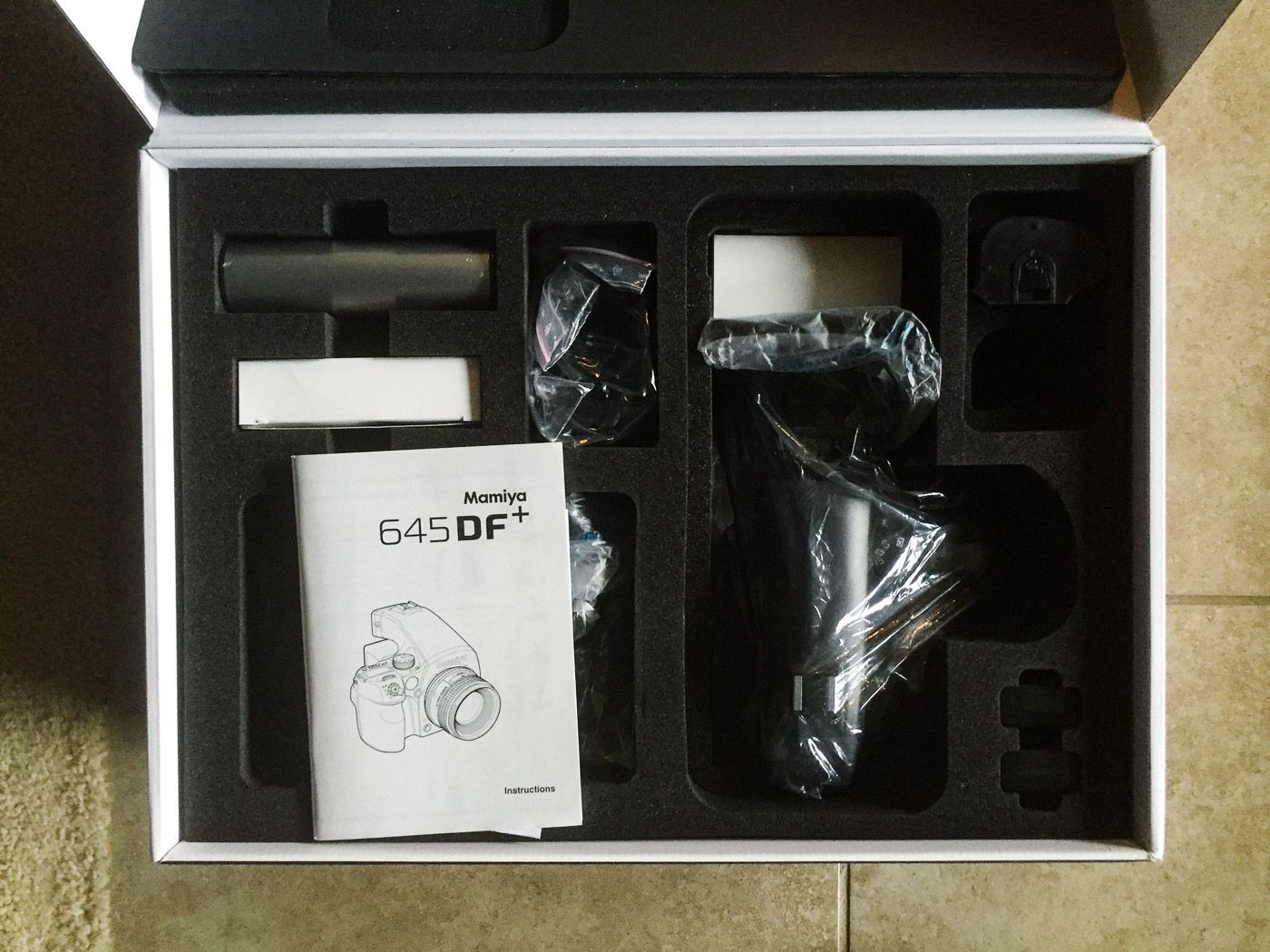
The next reason was obviously the detail. I never really understood it until the people at Digital Transitions loaned me a Phase One DF+ body with a Mamiya Leaf Credo 40 back and I was able to take some of my images. I stress my because there's a big difference between looking at a file somebody sends you and lighting, creating and examining the RAW files of an image you made yourself. That was the point where I was completely sold. I zoomed in and found myself retouching the dust on the lenses of people's eyeglasses. That's insane, right?
I know some of you will say you can get just as much detail out of a high-megapixel DSLR. Maybe you can, but I've never seen anything like the files my Mamiya produces. It does create a little more work on the editing side, but I'd rather have more information than less any day of the week.
Why this system
I looked hard at the other medium format systems, and even at Canon's high-resolution DSLR, which has a far better focus system for the kind of work I usually do and would have used the lenses I already own. It was a genuinely difficult decision. What tipped it for me was that the Phase One/Mamiya system is modular. The body and back aren't married to each other, so I can rent, buy or upgrade either one as I need to, instead of replacing the whole camera every time a new model comes out. The leaf shutter, which lets me sync with flash at higher shutter speeds, mattered a lot too.
What I've learned since
Medium format is a tool for specific purposes, and it's an extremely nice one. Am I going to shoot the X Games with it? Definitely not. Am I going to take every portrait I can with it? Absolutely.
Part of the reason is the focus system. It's slow and finicky and not ideal for sports in any way, but that serves a purpose. It makes me slow down, look at the frame and create something that is truly what I envisioned before I press the shutter. I take about a tenth as many frames on the Mamiya, and I love that. That said, I doubt I'll be hanging it off the back of a truck to shoot a cyclist at 25 mph anytime soon.
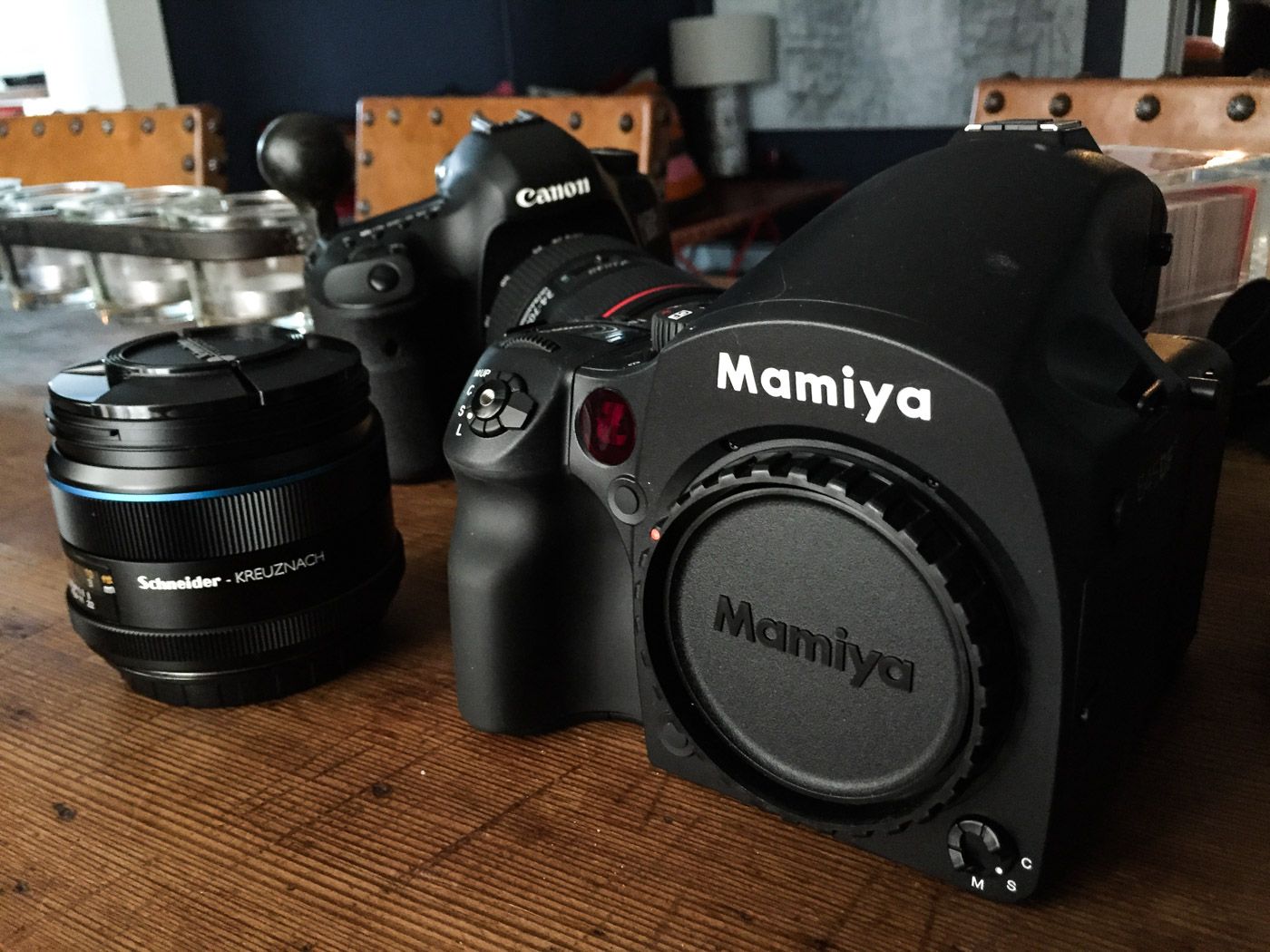
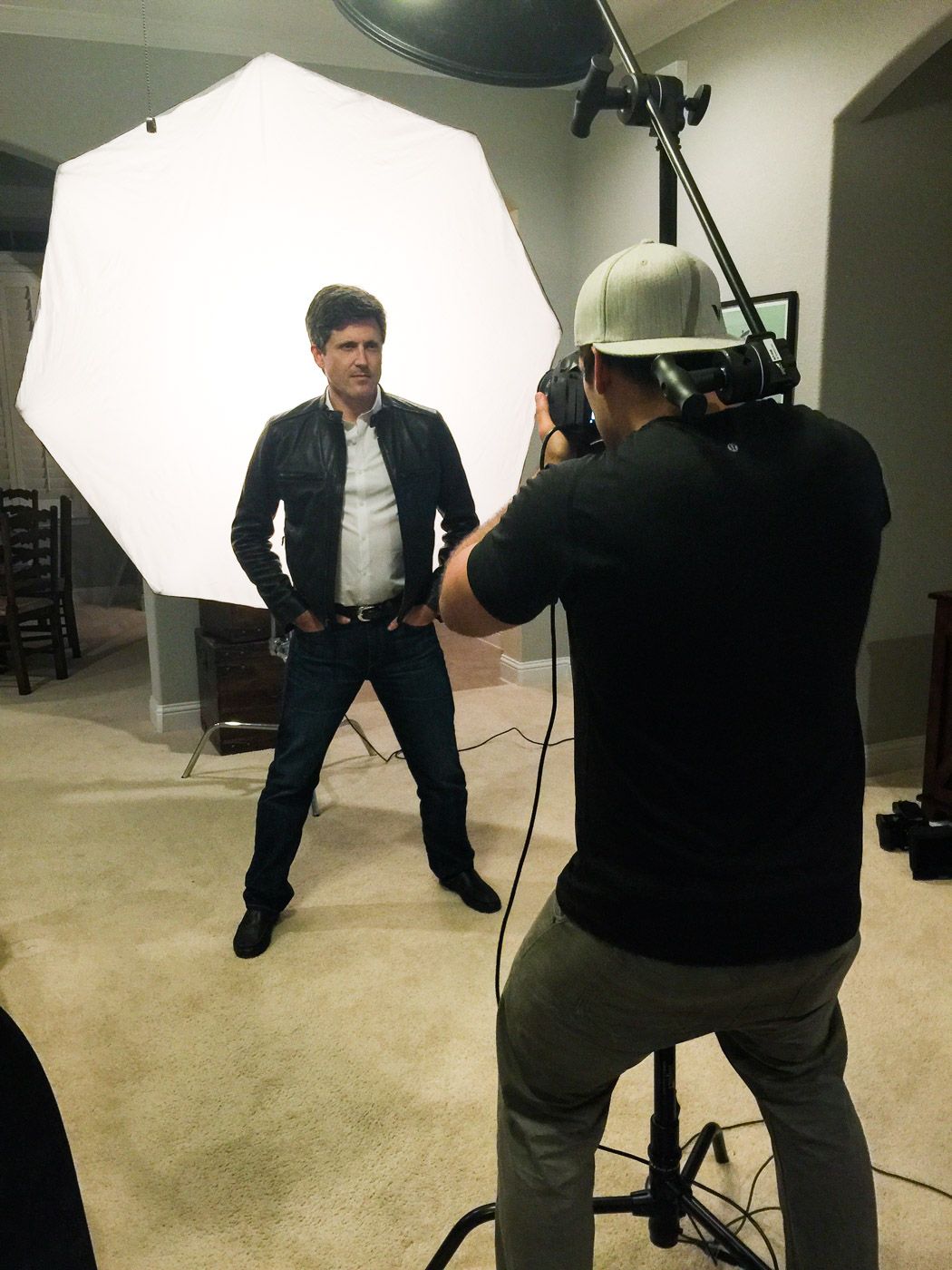
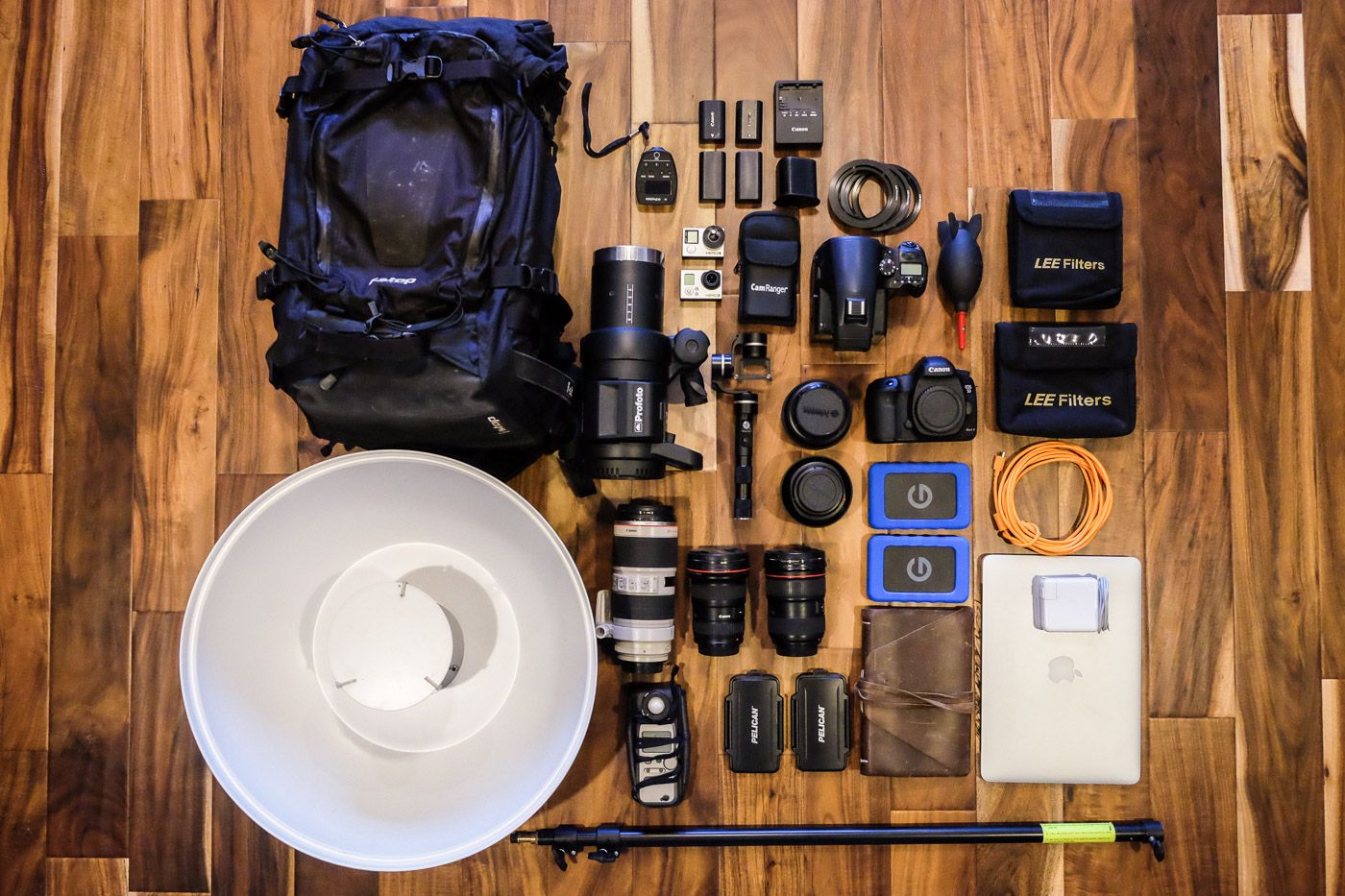
So what's my ideal pack? Both. I want the Mamiya for everything I shoot that's still (I've even started pre-focusing on some moving shots, and I'm getting the hang of it), and I love the lens range and ease of the Canon. Each camera has its own strengths, so I pack both for every shoot. But when it comes to portraits, I don't think there's any competition between 35mm and medium format, and history backs me up.
I'll keep experimenting to build the best pack I can carry on every shoot. This won't be the last time I write about it.
Originally published on the Ruddock Visuals blog, August 2016. Lightly edited in 2026.