Hustle, Diligence and a Familiar Voice: Two Days at John Russo's Workshop
What I learned in Hollywood from celebrity photographer John Russo about business, connection on set, and growing by watching others work.
Accountability and diligence are two of the hardest things to find as an entrepreneur of any kind. In creative fields it feels even harder, because we see ourselves as "artists" rather than "business people." I don't buy that. We have to be business people first, with the talent and desire to pursue creative work. Nobody I'd met recently embodied that more than celebrity photographer John Russo.
In December 2018, I flew to Hollywood for John's first workshop in his studio. I'd had a great first year in business with zero complaints, but I felt I was being pigeonholed into a type of photography I wasn't sure I wanted, and I was struggling to think outside the box and find clients beyond Houston. John's workshop was completely different from what I was doing, and his work is stunning, so it seemed like a win-win. I had no idea I was about to get a masterclass in how to market, position and hustle tirelessly.
The room
When my Uber pulled up to John's studio, I assumed the room would be full of local photographers already working in celebrity photography, with me as the outsider from Texas. I was wrong. It was an amazing group from all over the world and every corner of the industry, down to a wedding photographer from Ukraine. A few notable names joined us too, including Sue Bryce and Chris Orwig (more on that soon).
Each day followed the same rhythm: breakfast, business and marketing talks, industry guests, then shooting and hands-on work in the afternoon. On day one we dove straight into what celebrity photography really involves. Nothing was off the table. John answered every question, from how he broke into the business and kept his style fresh and timeless, to working with stakeholders and collaborators on set, to helping a subject feel natural in a very unnatural setting. A magazine producer then explained what she looks for in photographers and how she finds them.
Hustle
Having worked in sales, I knew a lot of the business material already. What impressed me was how much of it John was still doing as a known name. It always comes down to who is top of mind when a client is hiring, and how confident they are in what that person will deliver. In the celebrity world, everything has to be seamless and easy, and it also has to be perfect. Image is everything, so when you're hired, it isn't just your reputation on the line; it's the reputation of everyone who hired you and everyone around you. Get it wrong today and you can become an internet meme forever. The pressure is real, and seeing John still hustling that far into his career was inspiring.
After lunch, a publicity executive from a major film studio talked with us about what he looks for, how he finds people and who he hires. That kind of access alone would have made the trip worth it.
Learning by watching
Then it was time to shoot. I'll admit that, much as I love photography, shooting in workshop settings is one of my least favorite things. I feel rushed, I'm working on someone else's setup, and it feels contrived to me. So I tend to stand to the side or act as an unofficial assistant. I shot maybe 45 frames on day one and 200 on day two, while some students shot 2,000. It just comes down to style. I learn most by stepping back and watching.
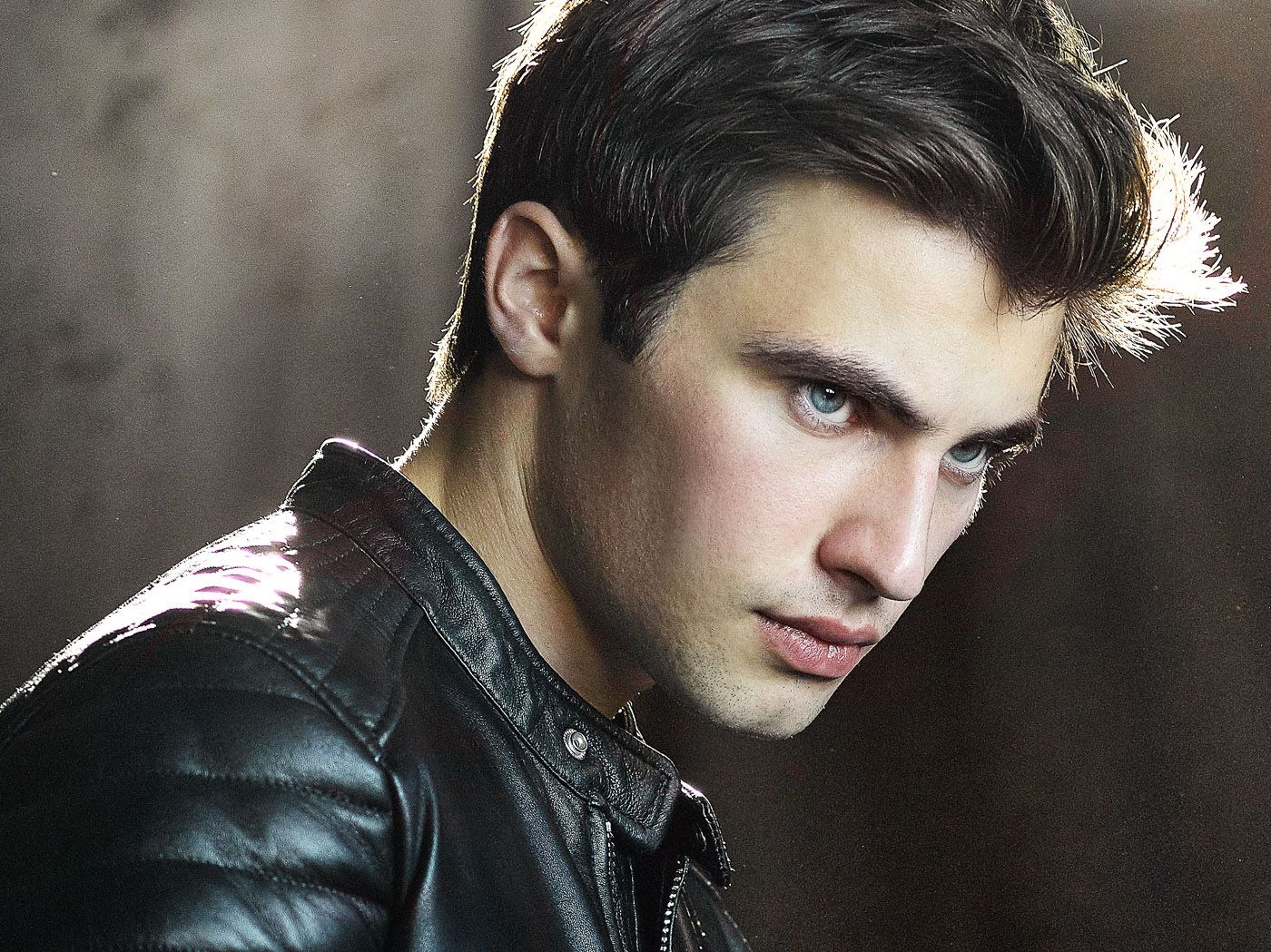
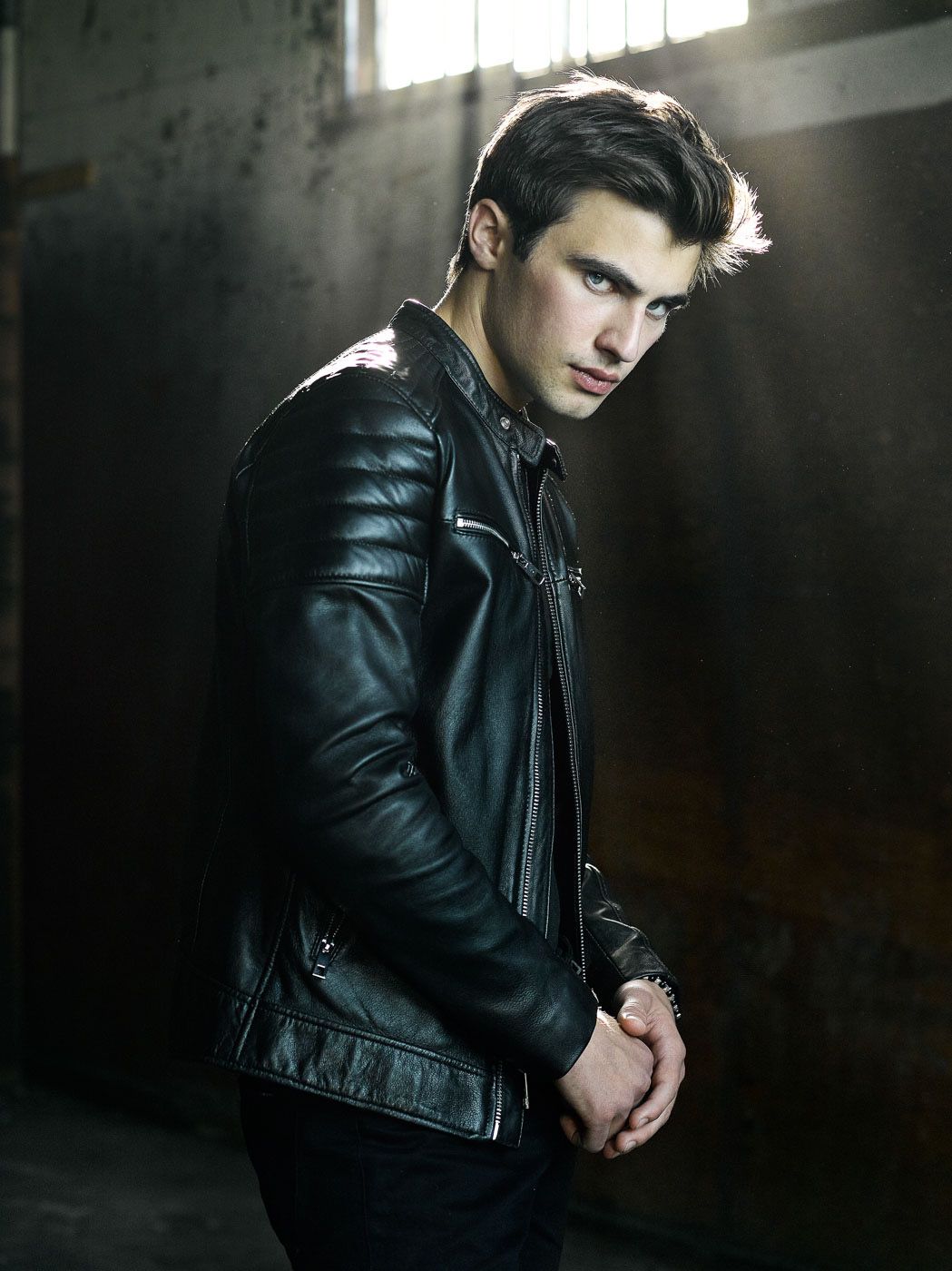
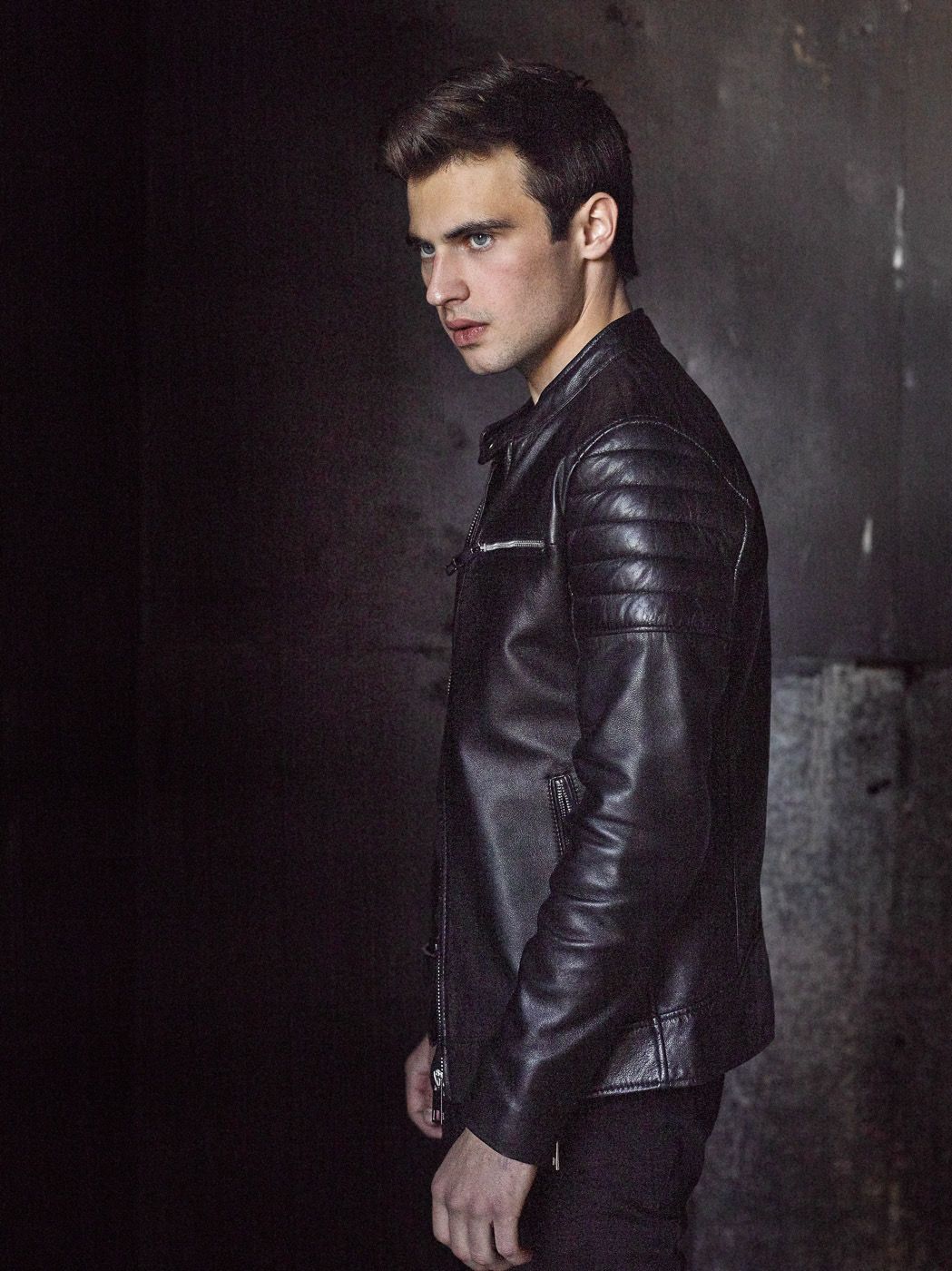
That started with watching John set up the first shot with model Ken Waller. His focus wasn't meticulous light placement or camera settings, but a looser, more fluid approach to posing and to the connection between photographer and subject. I took more from watching that than from the images or the lighting. My instincts as an engineer can make me dwell on the lights and lose the connection, and that one observation changed how I work on set.
Finding the right light
I love studio lights; anyone who's seen my portfolio knows it. But since the workshop, I've tried to focus on finding the right light and connecting with the subject, rather than building the perfect light and putting someone in it. Does that make sense? It's about where the emphasis is: on the lighting, or on the person. Sometimes we get so focused on gear, ratios, f-stops and technique that we disconnect from the person we're photographing. I think what makes the greats great is having all of that dialed in so they can focus entirely on who's in front of them.
So I spent the workshop trying to use what I saw rather than what I thought I could build. When the group had moved on, I'd adjust lights to fit my own style, or swing around a model posed for one shot to make something entirely different.
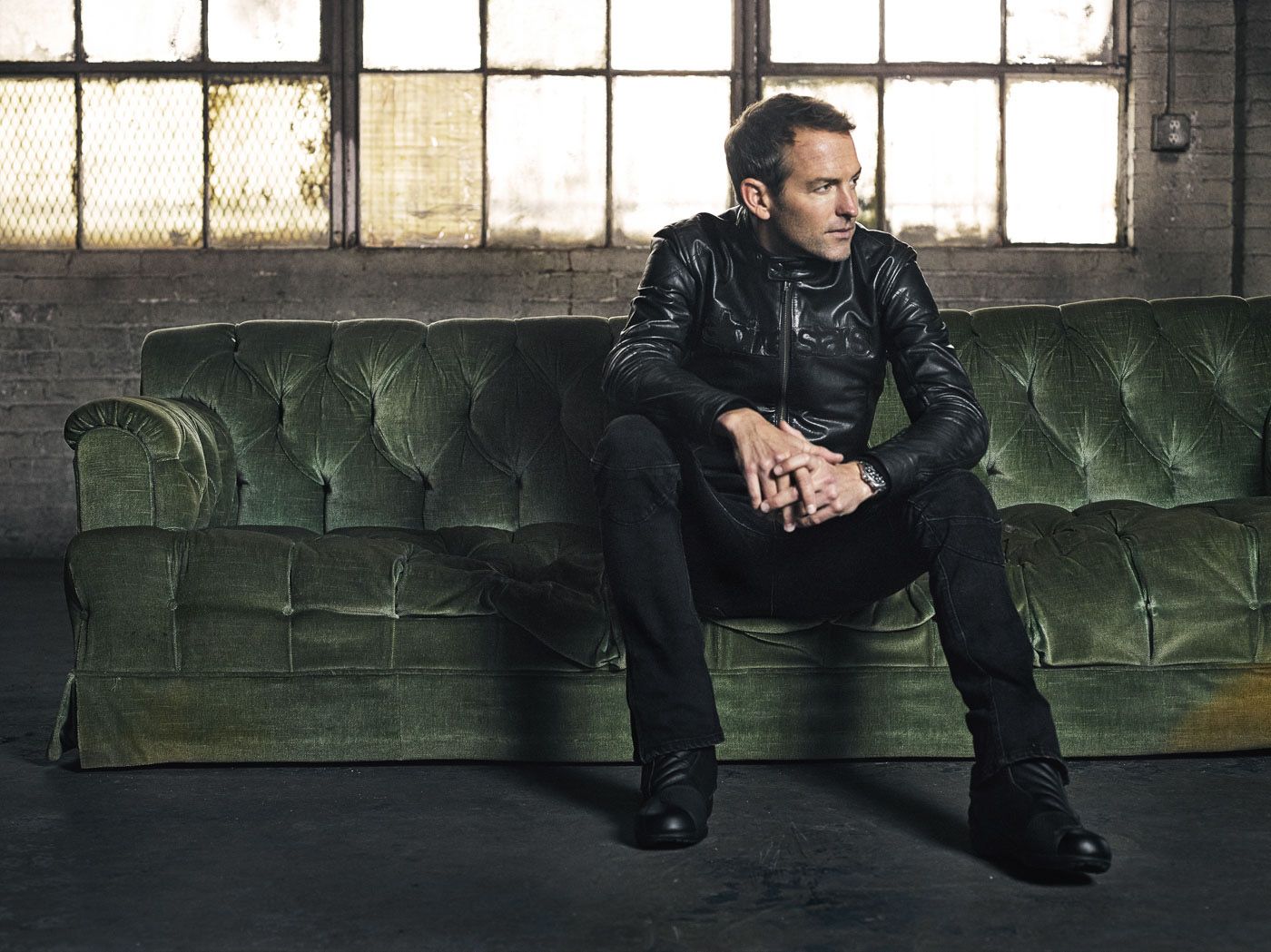
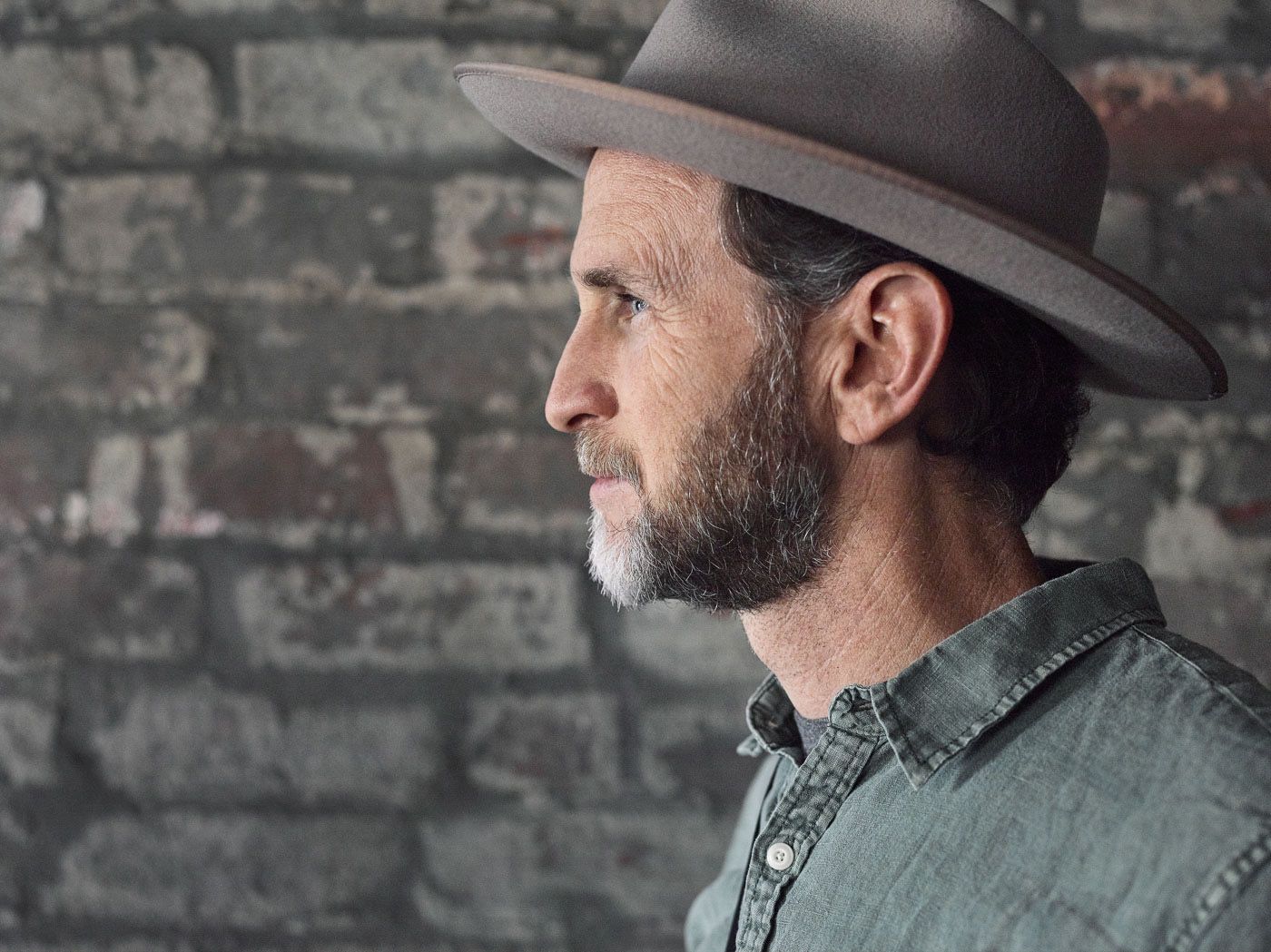
One example: everyone was photographing a model named Jason on a gorgeous porch on Sunset Boulevard, crowding around to shoot through the windshield of a car. I just didn't see that image. What I saw was a beautiful rim light I could fill with the white wall behind me if I went around to the other side of the car and opened the door. So I broke from the group, shot five or six frames entirely in natural light, then waved a few others over to the angle I'd found and moved on. It was about using what was available and letting Jason be comfortable, not chasing "perfect" light. Move around your subject and watch how the light changes rather than locking into one setup. You never know what you'll find.
Our homework that night was to edit our two best images, no more than two, which was a hard and educational task in itself.
The voice I knew
Now, the Chris Orwig story. When Chris walked in on day one, I thought, "He looks familiar, but I have no idea where I know him from." In introductions he mentioned he used to skateboard and got into photography after an injury, so I figured I knew him from the early X Games days. Talking with him later, that wasn't it. Then we went to trade Instagram handles, and he said, "It's just my name, Chris Orwig." It finally clicked. I didn't know his face. I knew his voice.
Back in the days of Adobe CS5 and lynda.com, Chris had unknowingly taught me Lightroom and Photoshop. I knew nothing, and I learned my first skills from many hours of his tutorials. I fanboyed for a moment and just stood there laughing in disbelief. I shared the story with him, and we stayed in touch after the workshop. Of all the big names there, Chris was the one I'd been learning from a decade earlier, and I wouldn't have been standing in that room without him. Gratitude and awe were all I had on my mind heading back to the hotel.
Day two
Day two opened with the image review. It was great to see everyone's different styles of shooting and editing, and having John critique our work was invaluable. Another guest then spoke about working with reps, what a rep can do for a photographer, and how to get on a publicist's radar in the celebrity industry.
The rest of the day was shooting, and the location, models and creative team John assembled were incredible. Meeting the stylists, hair and makeup artists he uses on real jobs was a bonus on top of everything else. The shooting was more relaxed than day one, in a huge space with more models. But again, I learned most by watching. When I'm behind the lens, I'm so focused on what I'm creating that my growth is limited to that shot or project. There's growth, but not as fast or as broad as when I'm watching others work. Seeing John, Chris and Sue work was worth more than the trip cost.
Diligence and accountability
I came back to the same two words I started with. Diligence and accountability were recurring themes at the workshop and the biggest things I brought home from LA. I'd been worn out and a little frazzled at the end of 2018, and the workshop reinvigorated me to jump back into entrepreneurship and photography. I made lasting friendships there and found accountability in staying in contact with John and Chris about my goals.
As Abigail Adams wrote, "Learning is not attained by chance, it must be sought for with ardor and attended to with diligence." Networking at events like this has a benefit you can't get from YouTube videos or podcasts. You have to go, interact, watch, listen, ask questions and learn from people with similar interests. I say similar interests rather than like-minded, because what will you learn from someone who thinks exactly what you think? Get outside your box, keep learning and be diligent about your goals. You never know where your next inspiration will come from until you put down the phone and go find it.
Originally published on the Ruddock Visuals blog, May 2019. Lightly edited in 2026.