Finding Your Creative Voice: Two Tear Sheets and a Handful of Words
A simple exercise for discovering your photographic style, and why studying the masters keeps it growing.
I want to take some time to talk about creativity and making recognizable work.
If you know a little about my background, you know I've never taken a formal photography class, like a lot of photographers today. The old path was art school, a BFA and years of assisting. Now there's easy access to tools and information that lets those of us who are passionate about photography learn in less structured ways. I started with blogs, behind-the-scenes videos on YouTube and, later, creativeLive. I've always appreciated the photographers who took the time to share their knowledge with people just getting started.
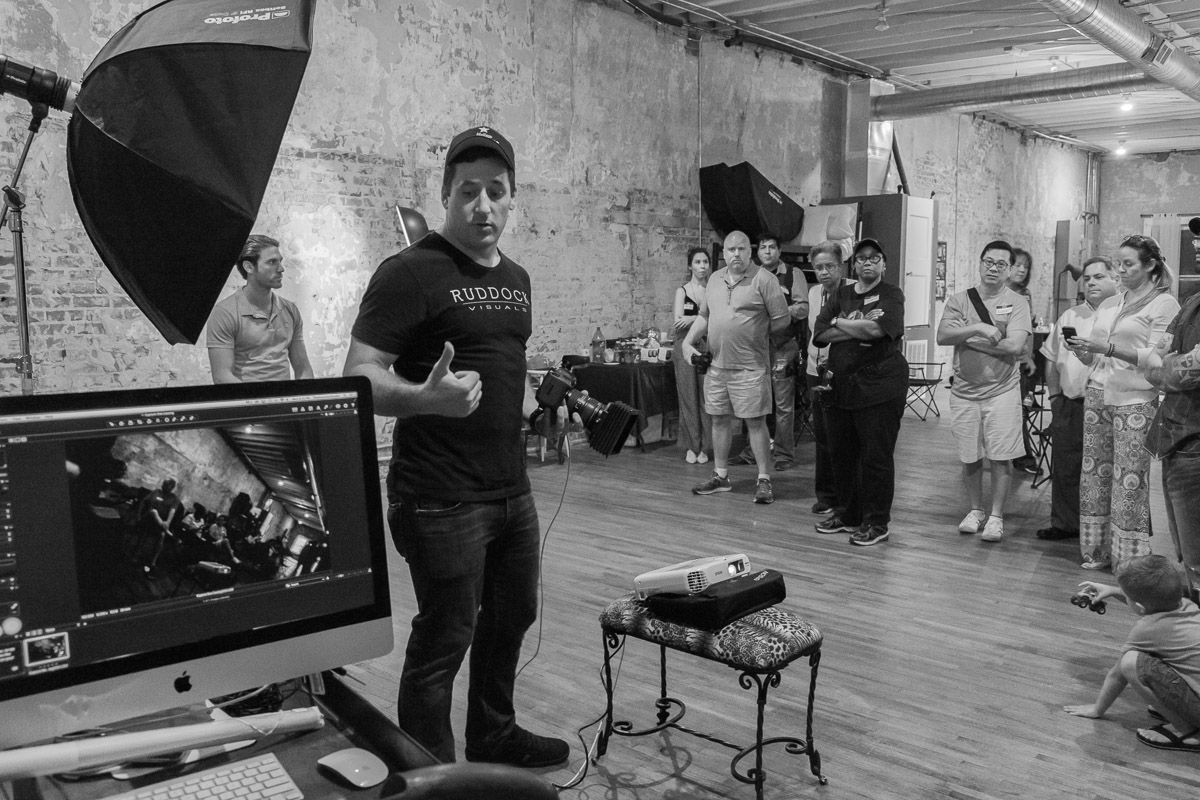
When I first looked for mentors locally, I had a lot of trouble getting hands-on experience, even just assisting a local portrait photographer. People can be very guarded about their methods and creative process. I never understood that, so I vowed that if I ever became more successful, I'd make sure to give back and teach. Recently I finally got that opportunity, speaking to a photography group at The Houston Studio here in Houston.
What to talk about
I'd been talking with the awesome people at The Houston Studio for a month or two about presenting, and I honestly thought it would stay in the talking stage, or maybe happen in a year or so. Two months later, I was scrambling to pull something together in about a week.
I scratched my head for days over what to speak on. The basics? Lighting? Retouching? Workflow? Lens compression and how to choose a lens? Being a technical person, those were the topics that came to mind, and I knew I'd bore people to death. With the help and prodding of my lovely wife, I finally landed on a topic, and I want to share a bit of it here: finding your creative voice.
I know what you're thinking: "This is going to be the same philosophical fluff I've read in every self-help or business book I've ever picked up." Hopefully not. I have some concrete steps that have helped me develop a style and keep a consistent voice.
I truly believe this is one of the hardest things a photographer can do. Everybody wants to shoot everything and be capable at everything, so they never develop a style that speaks for them as an artist. I can't even say mine is fully developed, but I know what direction I want to go and how I want to keep improving toward it.
Step 1: Build a tear sheet of photographers
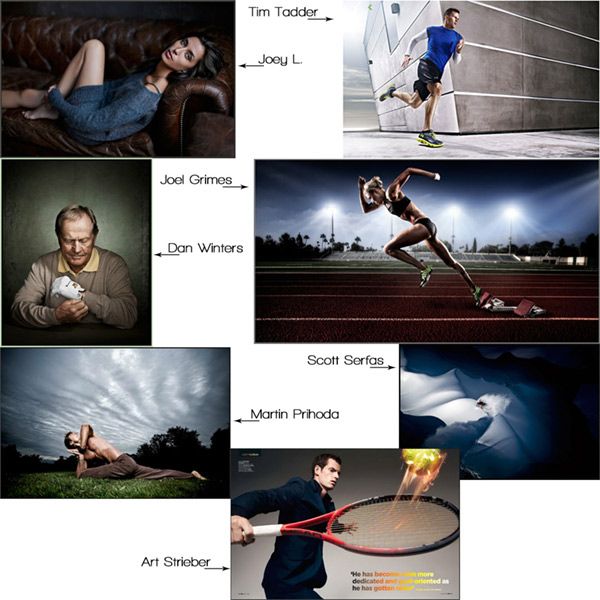
Identify five to seven photographers you identify with, idolize or try to replicate in your own work. Then pick one image from each that truly speaks to you.
As you do this, you'll start to see patterns, perspectives, styles and themes they share. You'll also end up with a great list of mentors you should reach out to. Mentors are powerful. If you can get even one of these photographers to stop and get to know you, you'll grow so fast it'll make people's heads spin.
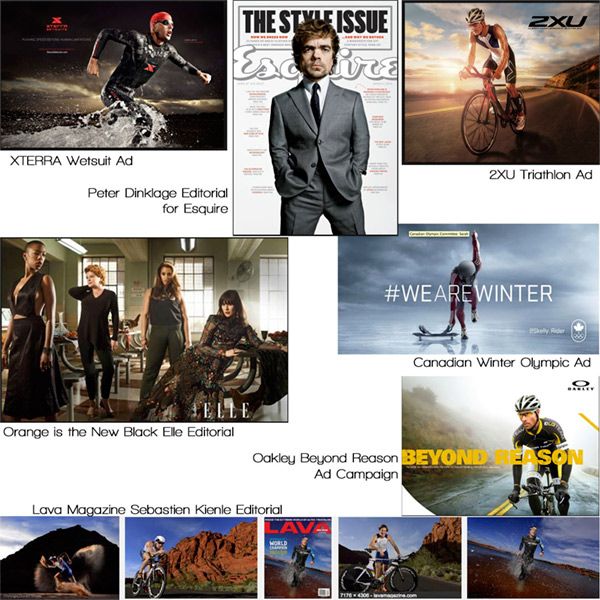
Put those five to seven images together on a tear sheet, on paper or in Photoshop.
Step 2: Build a tear sheet of work you want to make
Now do the same thing with ads or shoots you love. Find five to seven ads, editorials, weddings, maternity sessions or whatever it is you shoot. These should represent what you want to shoot. Not what you're shooting now, and not what you think you can shoot, but what you dream about shooting. Put them on a second tear sheet.
Step 3: Write down the words
You now have two tools for identifying your creative voice. Study the images, photographers and brands closely. What key features show up across all or most of them? What's repeated consistently?
Start writing down words. Writing them down is key. Try to sum up the style you love in five to seven words: cinematic, heroic, iconic, dreamy, romantic, dark, light, epic, dramatic and so on. Don't worry about being too specific, because you'll check everything you do against these descriptors. If a shoot doesn't fit or lend itself to your words, rethink what you're shooting.
Keep them alive
Both tear sheets should be living documents. Don't make them once and forget them. Compare every shoot against them and make sure you're working toward that style. Keep looking at new material in magazines, movies, music, ads and blogs, and keep updating your tear sheets and your photography. Over time you'll see things converge into a style that defines who you are as a photographer and what your voice is as an artist.
Your brain is a muscle
When you want to learn, or when you're in a creative slump, you can always turn to the greats. Dig in and see what they're doing and why. Not just how they light, post-process or what gear they use, but how they interact with their subjects, pose them and capture the emotion they're after. A book like Gregory Heisler's 50 Portraits is one you can look through once and then pore over for hours, training your mind to think differently.
That's the key: keep learning and keep training your mind. In college, we were told as biomedical engineers that what we were learning would be outdated within three years of graduation. Crazy, right? But that wasn't the point. The point was that we were being trained to think, compute and solve problems in a specific way.
Creativity is no different from physics or math. Your brain is a muscle. It can learn new movements, concepts and thought processes just like a hamstring or a bicep. And just like a muscle, if we keep doing the same things over and over, our creative process gets stale and atrophies. Train yourself to think differently, and study the work of the greats to see how they trained their minds to create the images that have become part of our history.
I later turned this talk into a video series. Part one is below.
The film
 Watch the behind-the-scenes film
Originally published on the Ruddock Visuals blog, November 2015. Lightly edited in 2026.