Strobe or Sun? Faking Window Light on a Cloudy Day
When the forecast sun never showed, I recreated it with a boomed octabox pushed through a second-story window.
2026 note: Booming a big octabox on a c-stand up to a second-story window is risky, especially in wind. If you try this, use a stand and boom rated for the load, counterweight and sandbag properly, have someone tend the stand the whole time, and keep everyone out from under the light.
"Create before you consume," as Chase Jarvis puts it. I caught myself this week waking up to my phone's alarm and, with the phone already in my hand, going straight to the news, the markets and Instagram. Before I knew it, the time I had gained by getting up early was gone, and I was already frazzled. I had set that alarm to make space for myself and then filled the space with things other people made.
Every one of us is creative in some way, and we need to create. If all we do is consume and compare ourselves to others, we'll never get to the things we want to accomplish. So here's something I created.
The sun doesn't cooperate
The sun is a pain on photoshoots. For every time I find natural light I'm dancing around about, there are five more when it's too flat and cloudy or too bright and blasting through a window. That's one of the main reasons I've always stressed learning to work with strobes, and on this shoot it paid off.
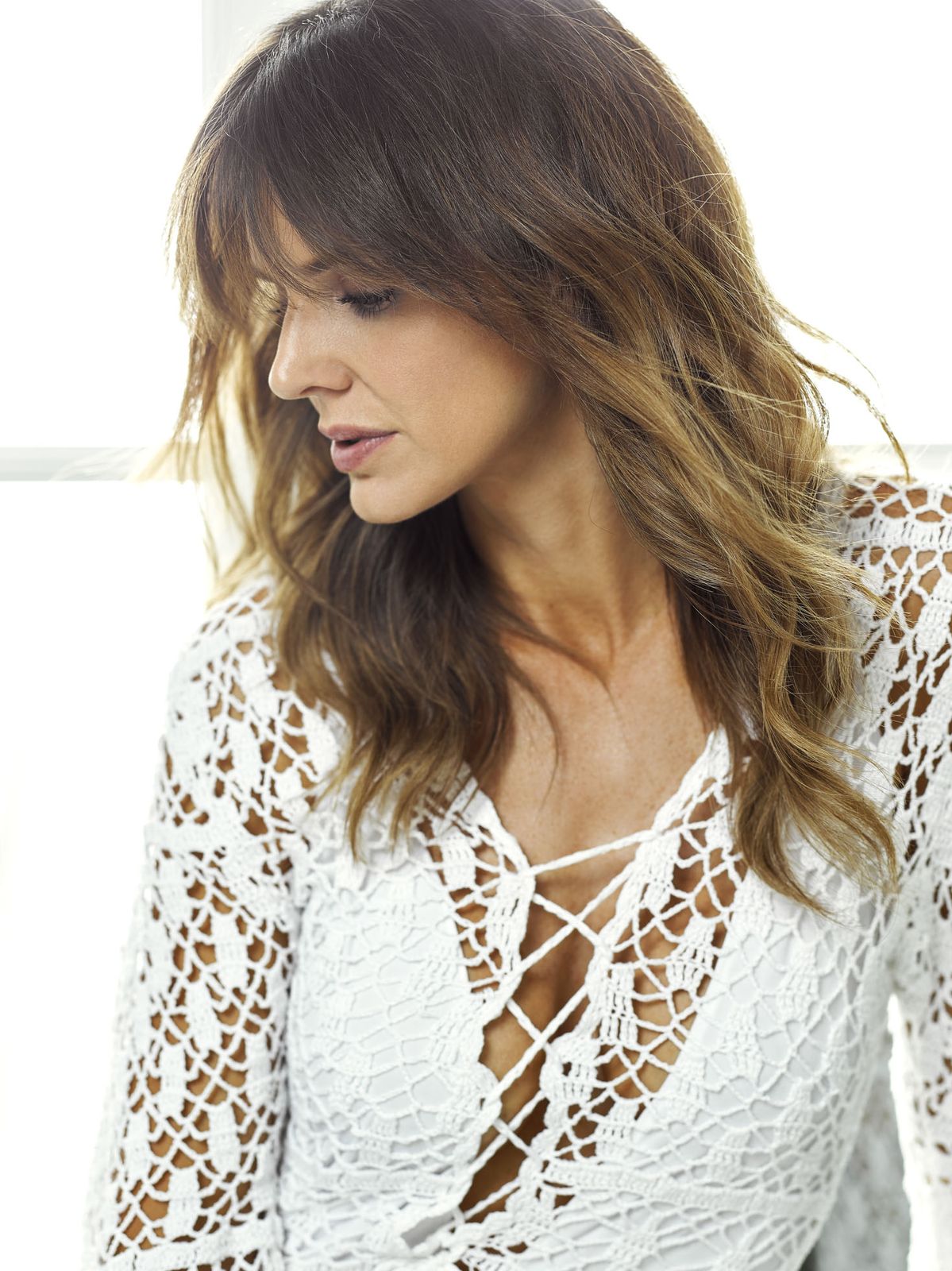
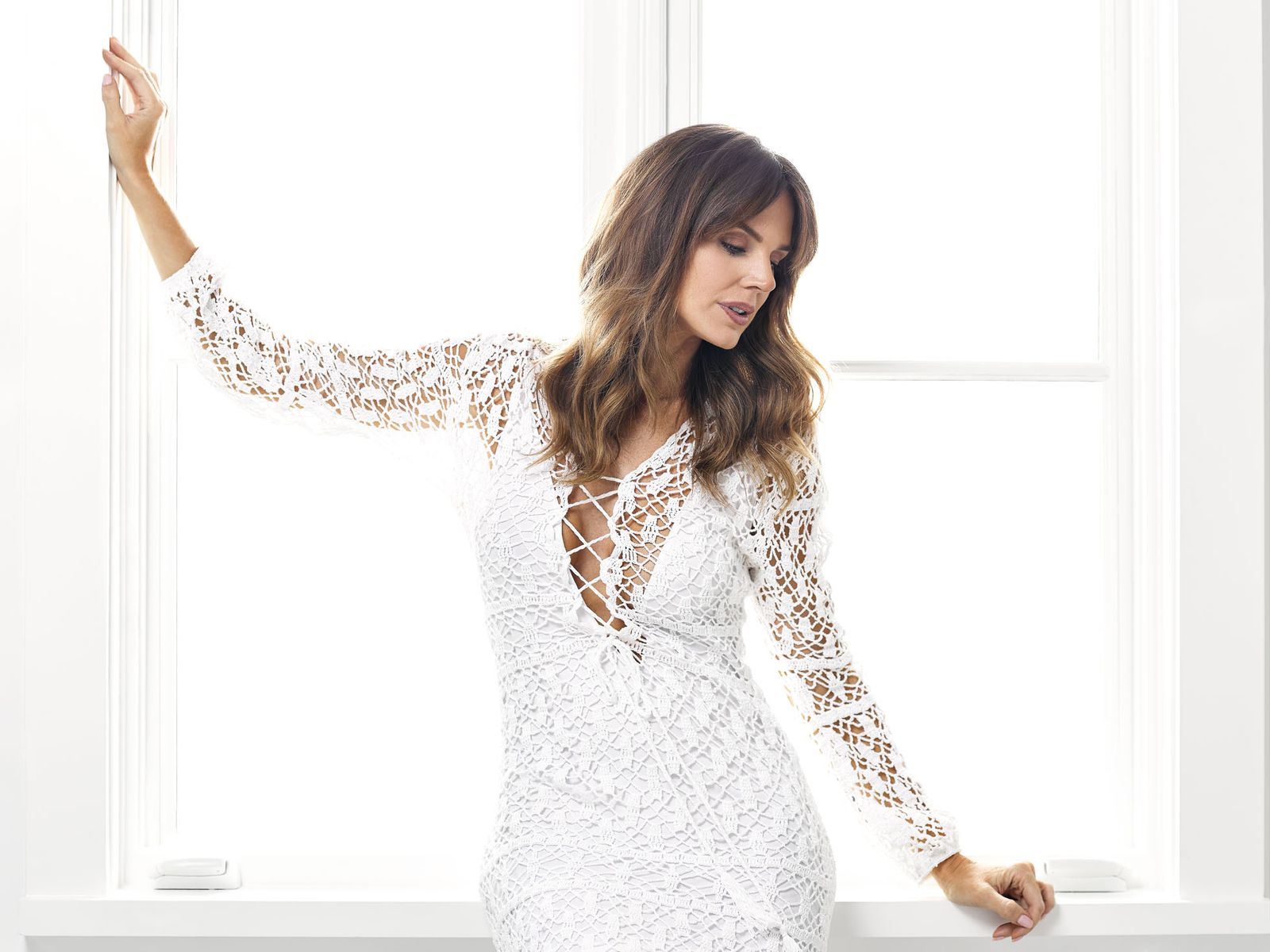
This was a test shoot with Diana Hare, a local model I'd worked with on a DYI campaign and a great presence on set. Summar Salah did the styling, and this setup in particular would not have been possible without Spencer Young assisting.
We had an amazing white space, and Summar brought a white dress for one look. I wanted a high-key shot with the sun blasting through the window and backlighting Diana. The problem: everybody showed up except the sun. It was forecast to shine that spring day in Houston, but it hid behind clouds. Even on my Canon 5D Mark IV, I couldn't raise the ISO enough to make the available light look like a bright, sunny day, and the Phase One, like most medium format cameras of the time, was no good at high ISO. But I had lights and a big octabox.
Building the sun
We were on the second floor, which made things tricky. With a modifier that large, I don't recommend this without better equipment, but it was a zero-budget test, and I wasn't going to be deterred.
We put a boom arm on my c-stand with a lightweight Profoto B2 head and the 69" Elinchrom Rotalux Octabox for a big source. I piled every sandbag and weight I could find around the base and raised it up to the second-story window. It was shaky, especially when the wind picked up, but it worked.
With the window acting as another layer of diffusion, I took the outer diffusion off the octa for a slightly harder, more reflective light and poured it in through the glass. Spencer held the stand on the ground while we shot as quickly as possible.
Inside, I added a Profoto B1 with a 39" Elinchrom Rotalux Octa as the main light. I positioned it and Diana so the scene read as a bright white room reflecting sunlight flooding in from a sunny day outside.
The lesson
I could pull this off because I understood what the sun would have looked like on the bright day I'd planned for, and I recreated it with the strobes I had. Next time you need nice window light on a not-so-nice day, figure out what the sun would be doing, then build it.
Originally published on the Ruddock Visuals blog, February 2020. Lightly edited in 2026.