How to Actually Capture Motion in a Sports Portrait
Blur it, freeze it or pan it? Why I use all three, plus strobes, to keep both the athlete and the motion in the frame.
Today I want to tackle a topic I get asked about constantly and have a fair amount of experience with: capturing motion.
Motion is a tricky thing for a medium that doesn't move. It isn't as simple as strapping a GoPro to your dog and pressing record. You have to convey the emotion and intensity of motion in a single frame. Sure, you can overlay multiple frames into a sequence to show the arc of a movement, but that's not the same as one image that has to carry everything an active subject is doing.
So you have a few choices. You can blur the entire image. You can use an extremely fast shutter speed and stop all movement in that instant. Or you can pan with the subject and hope to get them sharp while the background streaks behind them. All good choices, all have their place, and all of them can fall flat in their own way. Let me explain, one by one.
Option A: blur the whole image
You won't see much of anything. You'll get a blur of colors, and the longer you drag the shutter (leave it open and exposed to light), the less defined it gets. I'm sure that can be beautiful for fine art, but I shoot people, and people like to be photographed in focus and recognizable as human beings. Cross out option one.
Option 2: freeze it
Do the opposite and speed the shutter up to capture only a sliver of a moment where time has stopped. And so has the subject. Completely. Utterly motionless.
This can look awesome, but it takes a lot of work to make it look like more than a runner hopping in the air or a cyclist sitting still on the bike for an instant. It comes down to how you compose the image to show the motion that was actually present. I think too many photographers believe this is the key to capturing motion, just stopping it altogether, without realizing they're capturing the subject and not necessarily the motion that is the essence of the sport. There needs to be some movement there to show viewers who weren't present that this athlete was doing something awe-inspiring.
Option D: panning
In the hands of a professional and under the right circumstances, this looks incredible. Some photographers nail it at car races, horse races, running events and cycling events. But it's hard. Really hard. I'm sure those pros thank their lucky stars for digital, because it takes a lot of shots and a lot of practice. Even then, it depends heavily on the subject holding a path of travel that lines up perfectly with the path of your sensor.
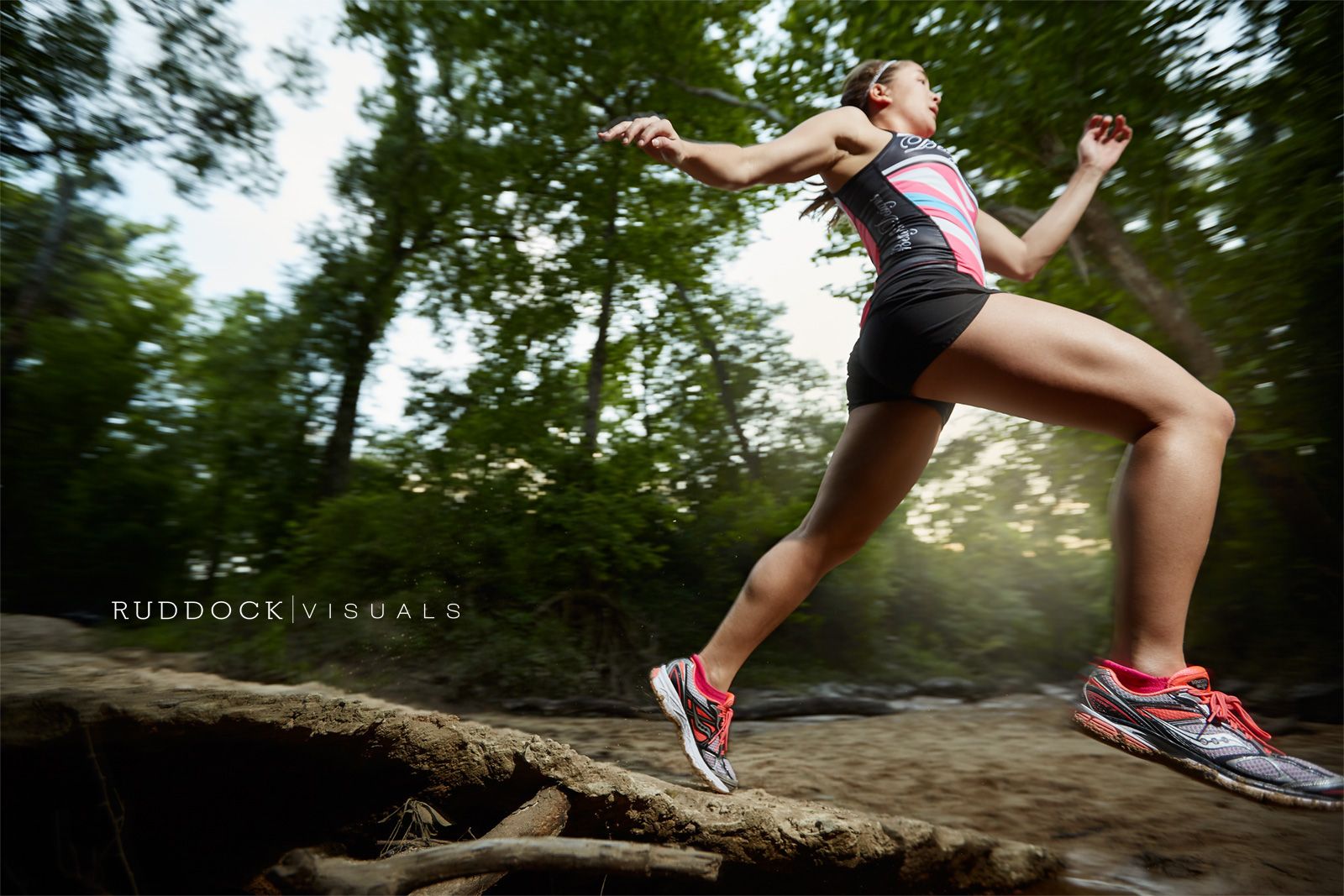
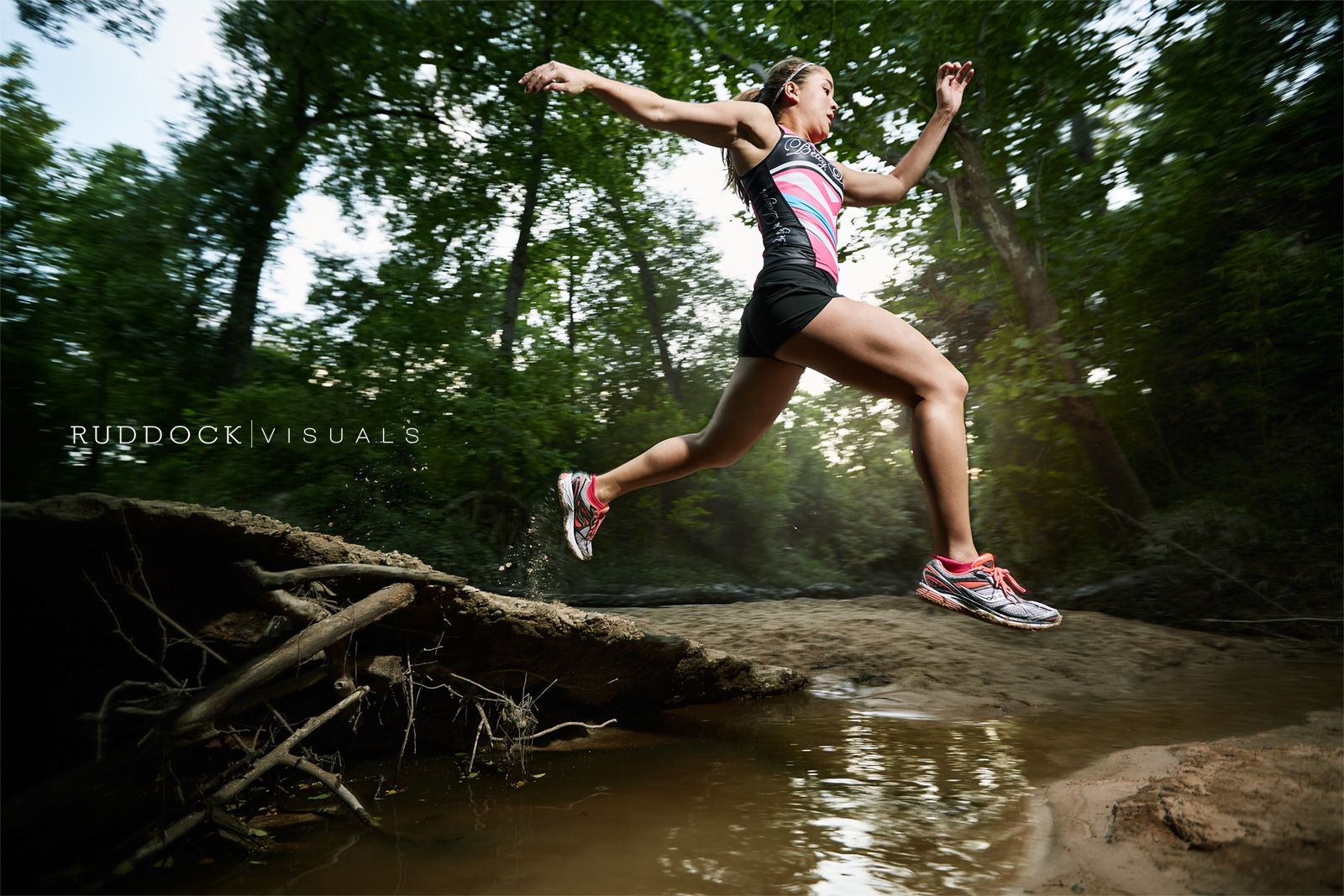
When you pan, you match the speed of the camera to the speed of the subject, keeping them at the same point in the frame the entire time the shutter is open. Everything else blurs, the speed is easy to see, and the subject looks crisp and separated from the background. I love the look, but I don't always have the time to try for that shot over and over. With practice it surely gets easier, but unless you're a dedicated sports photographer, it's difficult to put in those hours.
(And yes, I know I said Options A, 2 and D. If you don't get the joke, you weren't a '90s kid and you need to go back and watch Home Alone more closely.)
The real option D: all of the above
So pick your poison, right? Nope. I choose the real option D: all of the above, and then some. There's no magic bullet, and everybody's eye is different. But this is something I care about, so here's the meat of it.
When you're making a sports portrait, there are two subjects in the image: the athlete and the motion the athlete is performing. I feel we owe it to both to keep them in the photo.
My technique is a mix of all of the above, with the added bonus of lights. Strobes let me rely on their flash duration to freeze the subject rather than my shutter speed. And because my max shutter speed with flash is 1/200th of a second (I haven't used high-speed sync much yet), I still have plenty of room for motion blur in the frame. I also always pan the camera with the subject to remove motion from the face while still allowing some movement in the limbs and the background. The face is the key to keeping the image a portrait, but I want the rest of the image to scream "moving!"
That's my answer to a question I see a lot and keep mulling over for myself. There are countless other answers and even more ways to execute them. With one caveat.
Please don't fake it
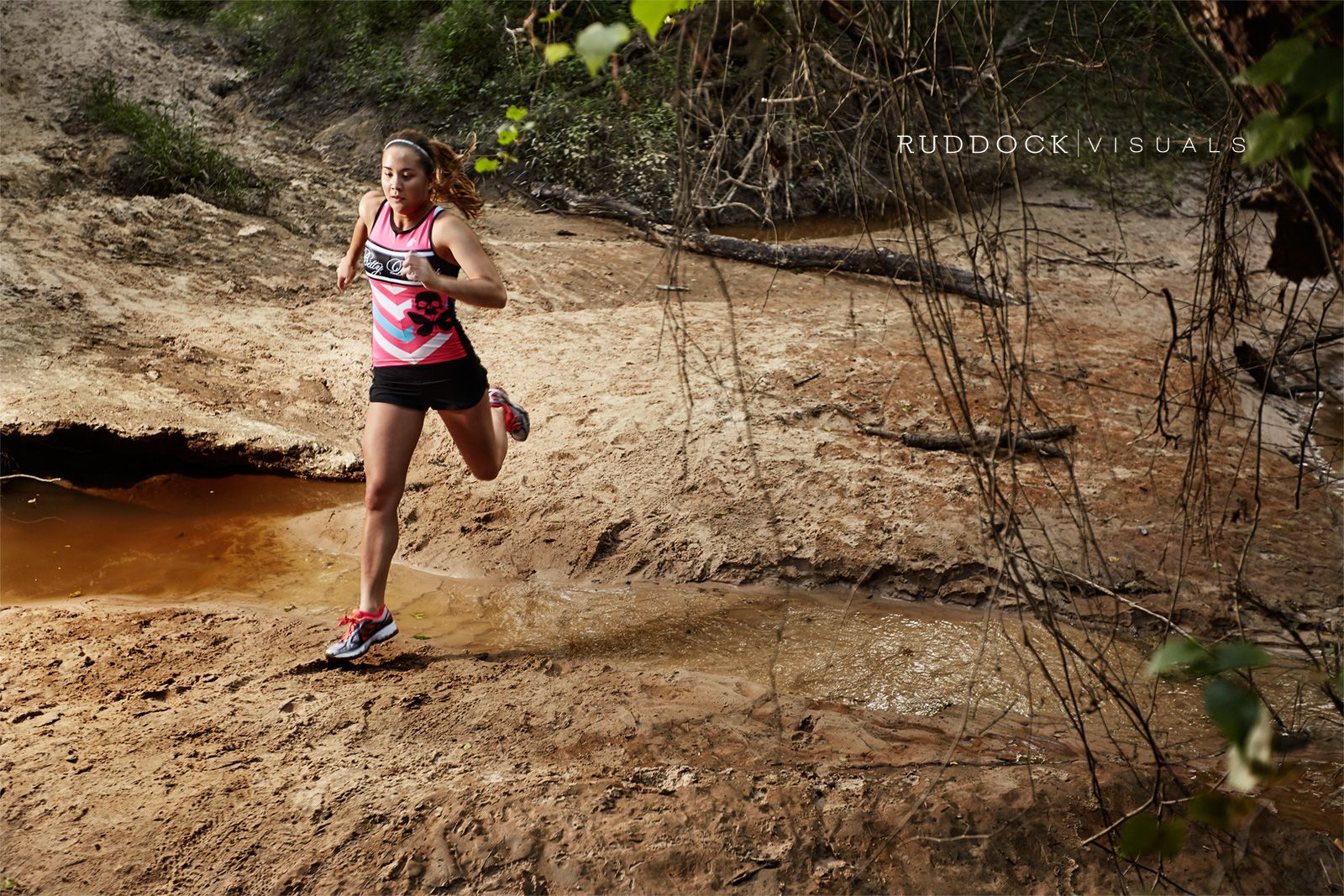
Please, please, please don't photograph an athlete and then go back and motion-blur the background in Photoshop. It looks bad. There, I said what every other photographer was thinking.
I understand it if you're building a composite, where the entire image is an artistic representation of reality you're assembling piece by piece and motion is one of those pieces. But if you're shooting your kid's soccer game, or you've been hired to make a portrait of an athlete, pay them the courtesy of capturing their motion instead of faking something they already do very well.
Why this matters to me
All jokes aside, this is a topic I'm truly passionate about. I hadn't given it much thought until a good friend and amazing athlete, Balazs Csoke, had me photograph him. He wanted to make sure we made images that really showed him moving. He felt his photos often looked like he was sitting still on his bike for a moment or hopping into a running stance. For an athlete who spends his professional life moving 140.6 miles at a time, movement is kind of important to his brand.
So whether it's something you're doing with your camera, with your lights, moving along with the subject, or staying absolutely still and drawing a look from your subject that implies motion, make sure you're truly capturing it.
There isn't much we do in life that doesn't involve motion. As an athlete and a sports photographer, I think it's something we need to look for every time we go through our images. Now get out, move, and capture it.
Originally published on the Ruddock Visuals blog, May 2015. Lightly edited in 2026.